


I am proud to be an intersectional feminist. Intersectional feminists understand that different identities layered together can disproportionately disadvantage some over others. We fight to end sexism and the patriarchy and the harm they do to everyone no matter their race, religion, sexuality, or gender identity. When we discuss gender identity in intersectional feminism, we are frequently fighting for equal rights of cis-gendered women, transgender people, and our non-binary friends. To be as inclusive and intersectional as possible, we cannot forget to educate ourselves on the pains the patriarchy pressures onto cis-gendered men, as well.
Yes, I agree our priorities must be to demand equal pay and respect, fight against sexual assault and domestic violence, and call for rights for people most discriminated against. But I don’t think that should give us an out on ignoring the harm the patriarchy does to our male friends. The patriarchy and toxic masculinity have, for centuries, created norms that can be harmful both physically and emotionally to cis-gendered men and boys.
A few of the norms that form into our society’s idea of masculinity include self-reliance as a symbol of strength, aggression instead of communication, cavalier attitudes towards sex, and the need to conceal emotion. When I look at these norms, I see something so inauthentic. What makes us unique is that we can rely on one another, communicate, love so deeply, and share our passions, emotions, pains, and feelings. Men are being put in a box that is too confining.
Young boys are bigger than the box the patriarchy puts them into; they can love and care deeply.
We must begin to invest our time in breaking down the norm of limiting the expression of emotions. We cannot let boys and men continue to suffer internally. The psychological harm this can do to a person is heartbreaking. Young boys feel pain, they feel love, they feel curiosity, and they feel excitement and passion. Young boys wouldn’t feel so alone if they weren’t told that they can’t show these emotions. They would feel validated and therefore feel comfortable talking about their interests, their fears, and those that they love.
I refuse to believe that boys and men actually prefer isolation, reverting to violence, not caring about their partners, and bottling their emotions inside. These are nothing more than a set of societal expectations. We must begin to normalize men talking about how they feel, whether it is to their friends, their family, or a trained counselor.
***
How can we begin to make this shift in social norms for boys and men expressing emotions?
It all starts at home and in early childhood education. Children learn every second of every day. Even when they are not in school, they are watching their parents, their siblings, even bugs and animals. They start to copy the attitudes and actions they see. Everything is a learning opportunity for the curious minds of young kids.
At this early stage in a young life, many children are also learning societal norms, gender roles, a personal understanding of identity, and acceptable actions. Starting at birth, little boys are watching their fathers and learning definitions of masculinity and how they should act and speak as boys. They depend on their fathers to teach them how to properly treat the women in their lives, how to treat minorities, how to care and love, and how to respond and communicate.
Most childhood learning is through observation, and young men learn norms of masculinity through their fathers. One person is not enough. The more male role models a young boy has, the more men he can feel comfortable with and look up to. One place that we can welcome more male role models in is our early childhood education programs.
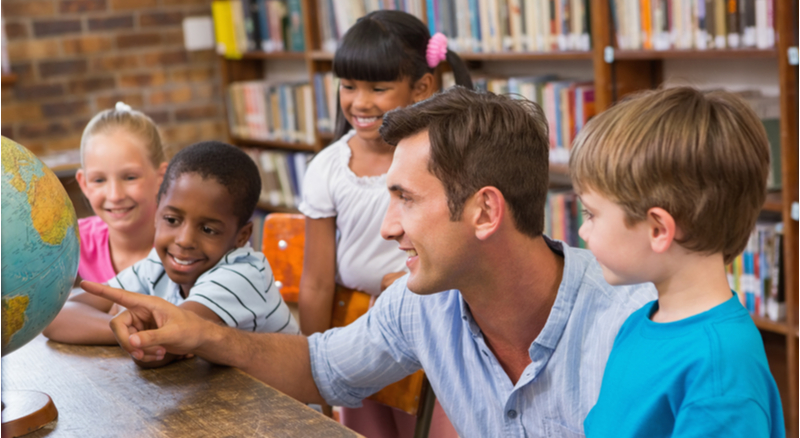
Right now, young boys do not look around the classroom and see nurturing, caring male role models that they can connect with as often as girls can with female teachers. This sense of connection is vital to growing children’s identities, but this sense of connection cannot happen with young boys when only 3% of early childhood teachers are men. Young girls can see themselves in their role models on a daily basis at home and in school, while boys frequently only look up to the men in their homes. If they have the opportunity to connect with more supportive male figures, only positive effects can follow.
Boys need more male teachers in their lives to learn what norms to live by and what norms they should resist. Seeing an emotionally alive, loving, and caring male teacher who still embodies a well-rounded definition of masculinity can encourage the rethinking of gender roles and what it means to be a man. Men and boys can cry, they can care, and they can love. It is much easier to learn positive tendencies than it is to break old habits and rethink norms that have been ingrained for years. Having positive male role models starting in early childhood education can have lasting impacts on young boys and their attitudes towards societal norms and actions.
By breaking down toxic norms from their first experiences with school, boys will not have to unlearn ingrained beliefs and habits later in life. They will feel comfortable being who they are, love who they want to love, share their passions and interests, and explore what the world has to offer them in a more fulfilling manner. The next generation can only consist of a better group of men if we make a conscious effort to include them in our efforts as intersectional feminists.
***

If you believe in the work we are doing here at The Good Men Project, please support our mission and join us as a Premium Member.
All Premium Members get to view The Good Men Project with NO ADS. Need more info? A complete list of benefits is here.
Talk to you soon.
—
Photo credit: Shutterstock


.